Real or Fake? Tracking Down Deepfakes
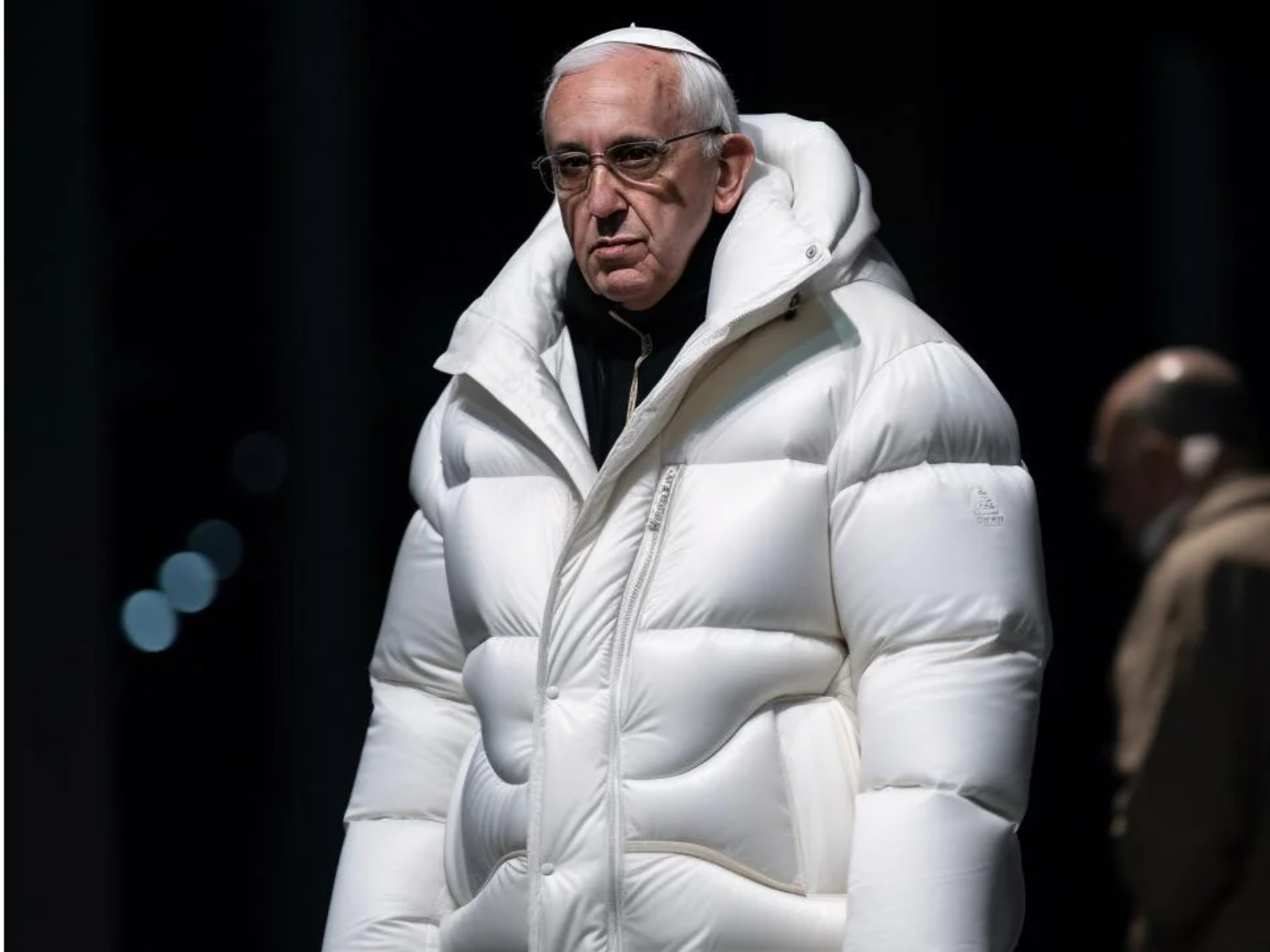
The Pope in a down coat? US President Donald Trump being arrested by the police? Two examples of AI-generated content that went viral. It’s becoming increasingly difficult for us to distinguish “real” images from fake ones. Learn here how vulnerable you are and how to spot AI-generated images.
This exhibition is all about so-called deepfakes – images, videos, or voices generated using artificial intelligence (AI) that look and sound deceptively real. Visitors will gain a clear understanding of how this technology works, the opportunities it offers, as well as the risks it poses to our society and how we can deal with them.
In an interactive quiz, you’ll try to distinguish real images from deepfakes – it’s not as easy as it sounds! You’ll learn typical clues that can help you spot them and receive feedback on your assessment. This highlights just how challenging it is – even for attentive observers – to recognize manipulated content.
Another interactive activity will show you how vulnerable you yourself are to disinformation. Based on brief questions about your media usage, tech savvy, and knowledge of deepfakes, you’ll receive your personal “resilience type” – an assessment of how well you can handle such digital challenges.
At the same time, the booth highlights how we, as researchers, investigate such phenomena: The experiments and data on display are drawn from current studies at the University of Zurich. Researchers will answer your questions and provide insights into their work. This helps illustrate how science helps us better navigate a world with increasingly realistic AI-generated content.